Every project at AND starts the same way: a place, a brief, a few constraints and a lot of questions. What has changed in the last two years is what happens in the first week. Generative tools have not replaced the sketch. They have changed what happens around it — how many directions we explore, how early we talk to clients, and how we decide what deserves a second look.
More directions, earlier
Before, the first week produced three or four concept directions, drawn by hand and modelled quickly. Today the same week produces thirty. Most of them are wrong, and that is the point: seeing thirty wrong answers side by side makes the right question visible much faster. The team spends less time producing options and more time judging them.
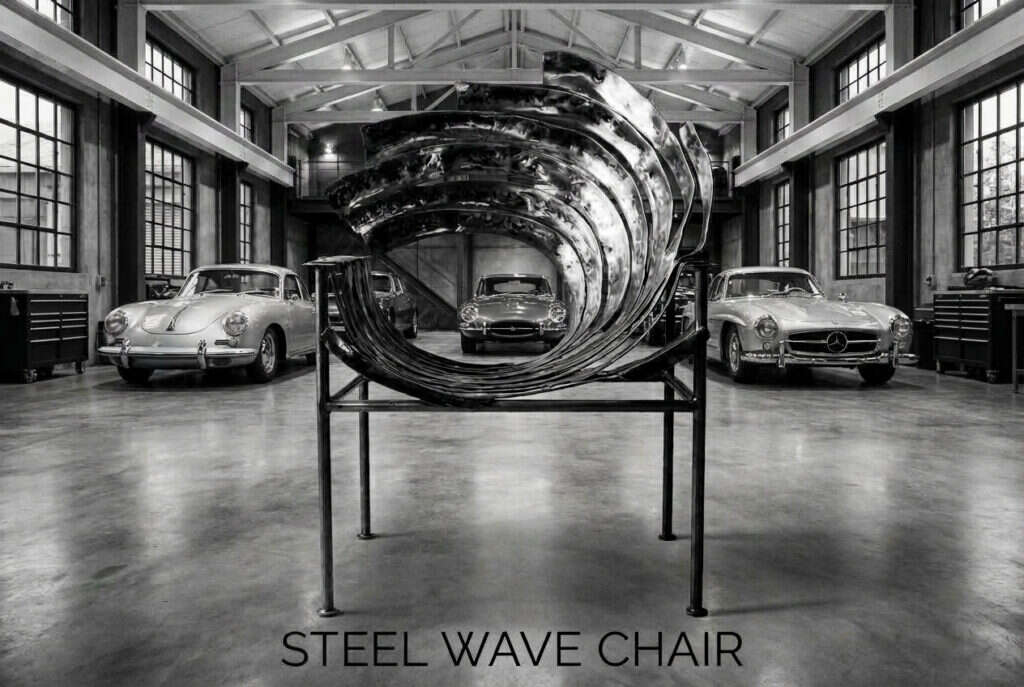
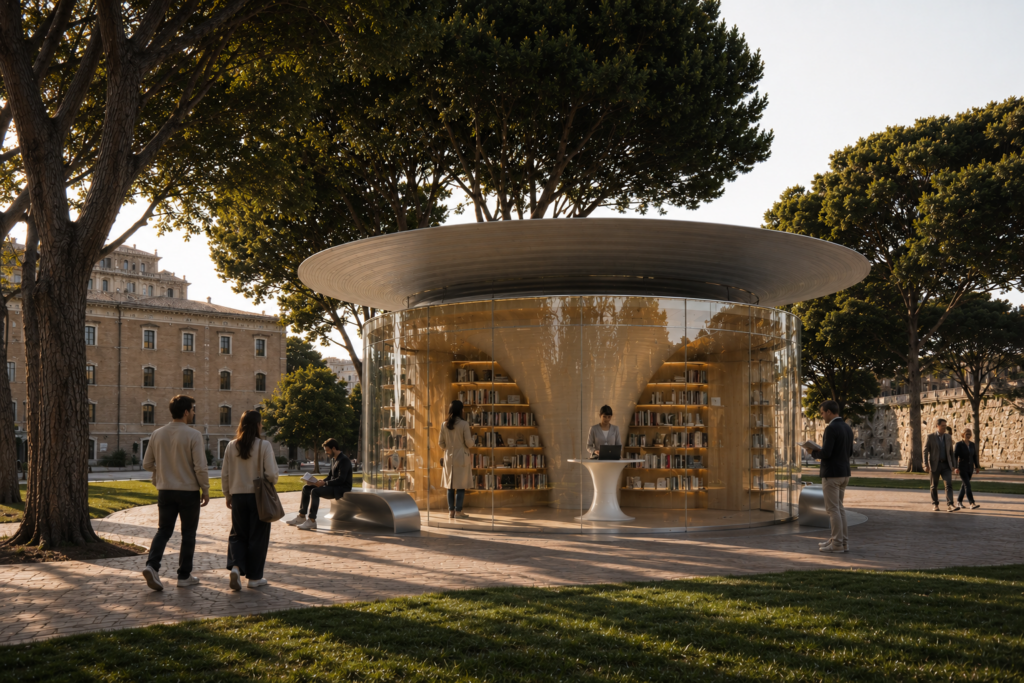
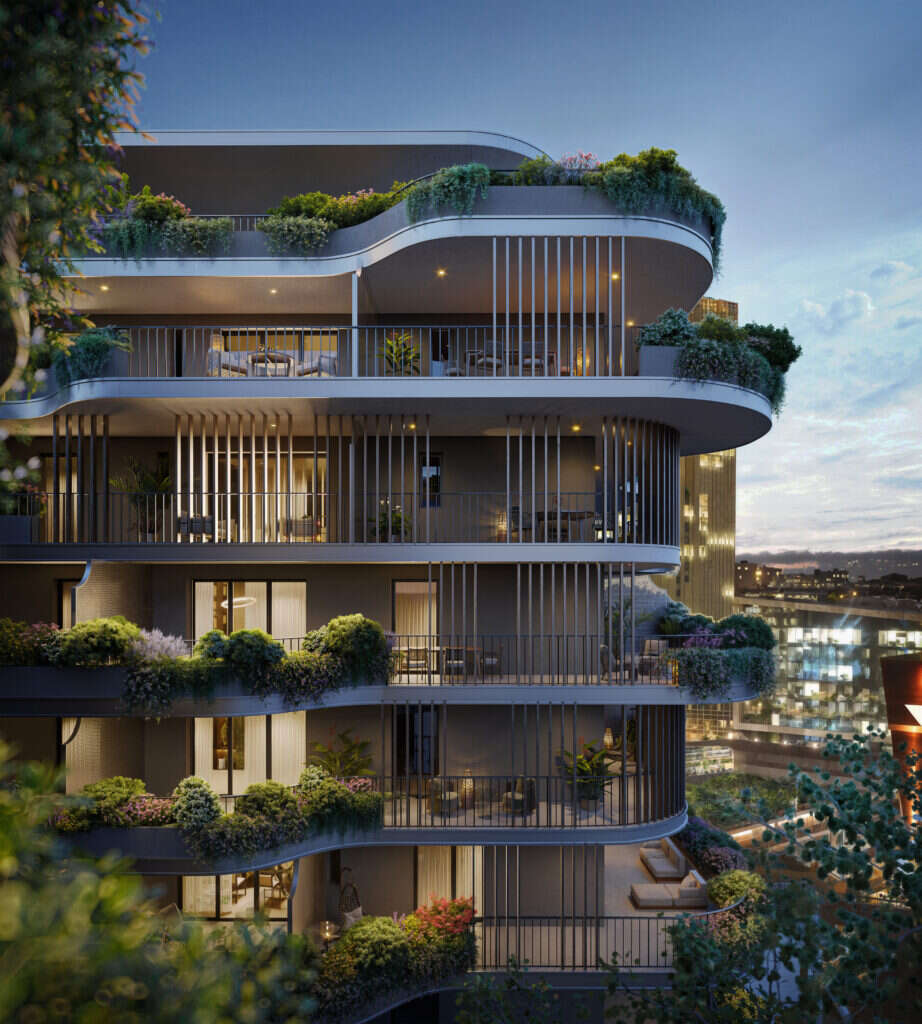
We treat every generated image as a reference, never as a result. It is a way to test a material, a proportion, a relationship between building and landscape, in the time it takes to write a sentence.
AI is not the author of our work. It is a tool that amplifies imagination and enables better design decisions.
What we ask the model
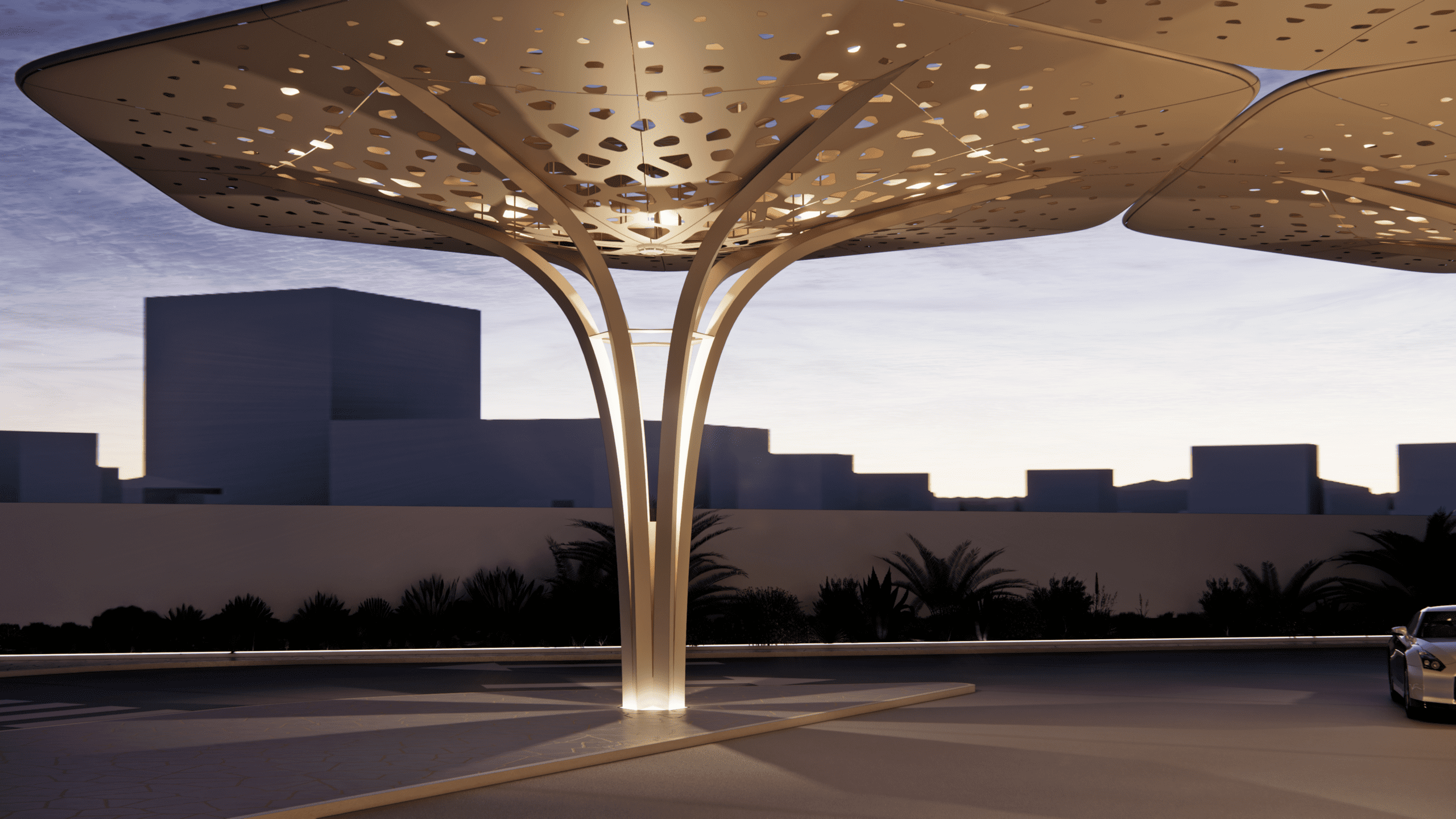
The prompts that work are rarely about style. They are about conditions: the light at 6 pm in Riyadh, a canopy that must shade a car and a person at the same time, a façade that has to age well in salty air. The more the question sounds like a real design constraint, the more useful the answer.
- Context first. Site, climate, culture and use come before any image.
- Materials as words. Terracotta, perforated steel, pale stone: naming the material is half of the concept.
- Scale as a filter. The same idea is tested as an object, an interior and a masterplan.
Where the human stays
Judgment, structure, cost, the conversation with the client and the responsibility for what gets built: none of this moves. If anything, the first week is now more human than before, because the team spends it talking about ideas instead of producing them.
This is the first of a series of short notes from the studio on how we work. The next one will look at how the same tools change the way we document a project after it is built.